Showing posts with label Health. Show all posts

Tuesday, November 5, 2013

Keep Everyone Healthy This Winter with These Flu Tips

From the USA.gov Blog

As fall becomes winter, not only do the warm coats and scarves come out, but common illnesses such as colds and the flu join us too. While you can’t always avoid getting the flu, there is plenty you can do now to help you and your family prevent the pesky sickness. We rounded up these helpful resources for you from the government so you don’t have to go digging for reliable information to keep your family healthy:
  • The Food and Drug Administration (FDA) offers tips on the differences between a cold and flu, how you can prevent both, what to do if you’re already sick, and advice on over the counter medicines. You can get it all online or even order a hard copy publication sent to your house.
  • It’s easy to follow the top link when you do an online search, but remember that not all sources are trusted ones. Flu.gov is the official government website where you can enter your zip code to find out where you can get a flu shot, get advice for who is most at risk, and learn how you can help care for loved ones who get the flu.
  • Like your information on the go? The Centers for Disease Control and Prevention (CDC) has an app for you. With the “CDC Influenza” app, you can find national flu activity information, as well as vaccine recommendations and videos on how to protect your family.
  • Even though it’s been a few years since the H1N1 pandemic flu was national news, it is another strand of the flu to always be mindful of. The 2013-2014 flu shots cover this strain of the flu, plus others. Learn more about this year’s flu season and shots from the CDC.

Friday, November 1, 2013

The Health Insurance Marketplace

From the USA.gov Blog:

The Health Insurance Marketplace: What It Offers and How to Register

When applying for health insurance, you usually have to share personal information with each private insurance company to find out how much a potential health plan costs. In the Health Insurance Marketplace, you have a simplified way of finding health insurance, comparing plans and reviewing coverage options from different providers.
In the Health Insurance Marketplace, you will need to share your personal information just once and you’ll get:
  • the ability to compare different insurance companies and buy the health insurance plan of your choice
  • if you qualify, a new tax credit to help pay premiums for health coverage based on income level
  • if qualified, support for Medicaid or the Children’s Health Insurance Program for Children (CHIP) based on income level
It is important to know that when you apply for health coverage through the marketplace, you need to give more information than is required by individual insurance companies. Additional information is needed to provide medical coverage based on income. In the marketplace, you will have to share the social security number of each family member, income information, details of your employer and any insurance you may have, including Medicare insurance.
By law, each person must have health insurance in 2014 or will pay a fine ($95 per adult, $47.50 per child or 1 percent of your income, whichever is the higher amount).

Ways to Register

There are four different ways you can register for health insurance through the Health Insurance Marketplace:
By Mail: Download the instructions (PDF) and application form (PDF). Complete your application and submit the form to:
Health Insurance Marketplace
Department of Health and Human Services
465 Industrial Blvd
London, KY 40750-0001
By phone: Call 1-800-318-2596, available 24 hours a day, or 1-855-889-4325 (TTY).
In person: To find local help, search by city and state or zip code.
Online: You can apply online at healthcare.gov.
The open enrollment period in the Health Insurance Marketplace began on October 1, 2013 and ends on March 31, 2014.
Remember that no medical coverage obtained will begin before January 1, 2014.

Read this post in Spanish.

Tuesday, October 1, 2013

How to protect yourself against health insurance scams

From USA.gov

Many people are ready to enroll in the Health Insurance Marketplace, allowing them to choose health coverage that meets their needs and budget.
Unfortunately, there are scam artists ready to take advantage of you. They ask for personal information and other details to then take your money.
The Federal Trade Commission has already received reports about scams in which people call to offer discounted health plans and enrollment discounts.
Protect yourself against fraud
Follow these guidelines to protect yourself against fraud and scams:
  • Ignore calls from people who say they’re government officials who want you to verify or give out personal information.
  • Identify the types of calls from scam artists to reject them.
  • Do not respond to calls from people offering to help you choose or enroll in a health insurance plan.
  • Avoid sharing your bank account, credit card or Social Security number to people who say they’re with the Health Insurance Marketplace.
To report a scam or report someone for fraud, you can file a complaint with the Federal Trade Commission or call 1-877-382-4357.

Tuesday, September 24, 2013

Safe Medication Use


Millions of people benefit from FDA-approved medicines. However, when medicines are not used correctly, they can cause serious injuries or even death. With the number of Americans using multiple prescription drugs growing each year, safely using medication has never been more important. Follow these four steps to avoid common medicine mistakes:
   
1.Read the Label.

Before you take any medicine, read the label. It should show:
  • The list of ingredients. If you know you are allergic to anything in the medicine, don’t use it. Ask for a different medicine.
  • Warnings. Read these carefully, and take note.
  • The expiration date. Do not use a medicine after the date on the bottle. It may not work as well.
 
2.Keep a Record
 
Make a list of the medicine you take, including vitamins, and keep it with you. Things to write down:
  • What is the medicine’s name?
  • How much should I take?
  • How long should I take it?
 
       Graphic with four women describing safe medication use and medication use facts. Click for full description.
Share our infographic! The graphic lists four simple steps you can take to promote the safe and proper use of prescription and over-the-counter medications. Visit our infographic page to see a larger image and learn more about safe medication use or flickr disclaimer icon  for even more sizes.
 

3.Talk to your doctor or pharmacist about your medicines.

Good questions to ask are:
  • If I forget to take it, what should I do?
  • Should I take this on an empty stomach or with food?
  • What problems should I watch for?
4. Avoid Problems
Medicines can cause problems or side effects, such as sleepiness, headaches, or rashes. Ask your doctor or pharmacist about possible side effects. To avoid problems:
  • Organize your medicines.
  • Don’t skip taking your medicines.
  • Don’t share medicines.
Interesting Facts about Medicine Use
  • Eighty-two percent of U.S. adults take at least one prescription drug per week.
  • Twenty-nine percent of U.S. adults take five or more prescription drugs per week. 
  • U.S. spending on prescription drugs reached $234.1 billion in 2008.

 You can help promote information to help keep women and their families safe: share our infographic, watch the video, and download our publications related to medicine use.


      The Food and Drug Administration (FDA) Office of Women's Health has created a public service announcement (PSA) titled "Use Medicines Wisely". The PSA provides several tips to encourage the public to safely use their prescription and over-the-counter medicines. 


Download or order any of the free fact sheets and brochures listed on this page. Simply click on the link or go to the Free Publications website.

These booklets provide information on FDA-approved products for high blood pressure, depression, menopause, high cholesterol, birth control, HIV, and smoking cessation.

My Medicines: A Medicine Recordkeeper 

Use the My Medicines brochure to help you keep track of the medicines you take. This brochure is available in English, Spanish, Arabic, Polish, and 10 Asian/Pacific Islander languages.  


Fact Sheets

These one-page fact sheets provide easy-to-read information on safe medication use.

Posters


Michigan Health Insurance Marketplace to Launch October 1

Michigan’s federally operated exchange, the new regulated, competitive, consumer-friendly Health Insurance Marketplace, will open for business on Oct. 1, 2013, according to a new report released by the Michigan League for Public Policy.

The Marketplace is designed to help individuals without affordable employer coverage and small businesses compare options and purchase quality healthcare coverage. The Health Insurance Marketplace website and toll-free number (800-318-2596) are available to provide general information. Michigan-specific information will be available starting Oct. 1, 2013, when open enrollment begins.

Monday, September 23, 2013

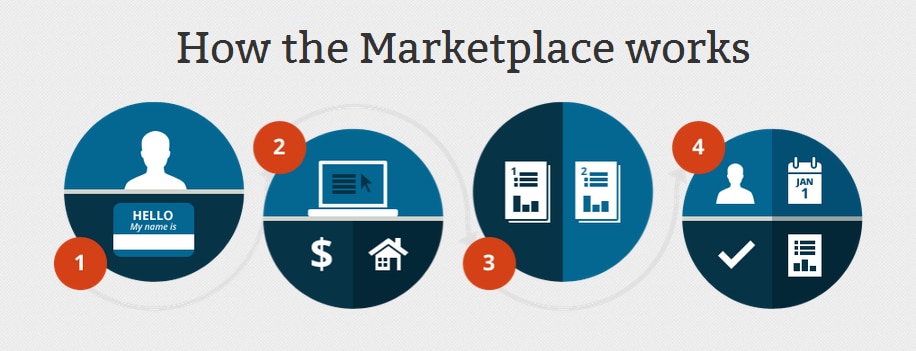
4 Steps to getting covered in the Health Insurance Marketplace

From USA.gov:  https://www.healthcare.gov/blog/4-steps-to-getting-covered-in-the-health-insurance-marketplace/
 How the Marketplace works: Create an account, apply, pick a plan, and enroll!
You can apply for health coverage, compare all your options, and enroll in a plan in one streamlined application through the Health Insurance Marketplace. When open enrollment begins October 1, 2013, you can fill out your application and see the health coverage options available to you.

1. Create an account

First provide some basic information. Then choose a user name, password, and security questions for added protection.

2. Apply for Marketplace coverage

Enter information about you and your family, including your income, household size, and more. Use this checklist now to help you gather the information you’ll need.

3. Pick a plan

Next you’ll see all the health insurance plans and programs you’re eligible for and compare them side-by-side. You’ll also find out if you can get lower costs on Marketplace coverage.

4. Enroll

Choose a health insurance plan that meets your needs and enroll! Coverage starts as soon as January 1, 2014.
If you need help with your Marketplace application, there are people trained and certified to help you understand your health coverage options and enroll in a plan in every state. And remember that you can contact us anytime by phone or live web chat for help with a Marketplace question.

Thursday, May 30, 2013

Take Care of Your Mental Health

From the USA.gov Blog:
As an annual observance, Mental Health Month brings an increased awareness to mental health issues and mental illness. The U.S. Department of Health and Human Services (HHS) says, “This year’s theme, Mental Health Matters: In Your Life, reminds Americans that caring for their mental health is as important as taking care of their physical health because mental health impacts all areas of life.”
Mental health issues can include depression, anxiety, bipolar disorder and many other diseases that can negatively impact every part of someone’s life. During this presidentially proclaimed observance, the goal is to reinvigorate the United States’ determination and effort to addressing mental health problems in America.
You can find treatment services near you for a variety of mental health issues by calling 1-800-662-HELP. The National Suicide Prevention Lifeline offers immediate assistance for all Americans, including service members and veterans, at 1-800-273-TALK.
Find a full list of mental health resources.

Tuesday, May 28, 2013

Order Your FREE Friends and Family Health Kit

From the USAgov.blog:
The Friends and Family Health Kit is a collection of 20 easy-to-read health publications with tips you can trust that you may have seen featured in a recent Dear Abby column.
Health topics include:

  • Asthma

  • Heart disease

  • Menopause

  • Sleep problems

  • Glucose meters

  • Tattoos and permanent makeup

  • And much more!
Order a FREE kit for yourself and for the people you care about. You can also read and share the publications electronically.

Thursday, May 16, 2013

Get Ready For the New Health Insurance Marketplaces

From the USA.gov Blog:  
Health Insurance Marketplaces are a key provision of the Affordable Care Act that can help you get health insurance regardless of income or health history. You can start exploring your options now, enroll in October, and start taking advantage of the benefits of your state Health Insurance Marketplace beginning in January 2014.
People looking for health insurance can shop and compare plans through the new Health Insurance Marketplace, also known as healthcare exchanges. The Health Insurance Marketplace will help you find insurance plans that cover medical services including preventive care, medicines, doctor and hospital visits.
Now is the time to learn about how they work, how to prepare for open enrollment, and what kind of insurance options are available to you right now.

The New Health Insurance Marketplace

Each state will have its own Health Insurance Marketplace, which you can access online (some are already available). The exchanges are designed to help you:
  • Figure out how to compare and get healthcare insurance even if you have a pre-existing condition or chronic health problem
  • Find the insurance plan that fits your budget. Some people might qualify for free or low-cost health insurance
  • Understand the enrollment process in a way that’s easy to read

Enrollment Begins October of 2013

The enrollment process begins October 1. But you can prepare by doing the following:
  • Individuals and families:
  • Get to know the different healthcare plans available in your state if the exchange has already been set up. Specifically, make sure you understand how the deductibles and co-pays work
  • Ask your employer if she plans to offer health insurance
  • Prepare a list of questions about your health coverage
  • Small business owners:
  • Get to know the different healthcare plans available so that you understand the differences in costs and services
  • Set a budget based on how much both you and your employees will spend on health insurance
  • Set a date to begin offering coverage that works best for your business and your employees

Your Insurance Options Now

You don’t have to wait until 2014 to get health coverage. There are several public programs available for families, including Medicare, Medicaid and low-cost insurance programs for children and adults.
HealthCare.gov has a tool to help you find insurance. You just need to answer a few questions about where you live and your current job situation.

Your Key to a Healthy Pregnancy

From the USA.gov Blog:
Looking for information you can trust during pregnancy and your baby’s first year?
The Food and Drug Administration’s Office of Women’s Health and text4baby have teamed up to help moms-to-be find reliable health resources for their pregnancy.
Text4baby is the first free mobile information service designed to promote maternal and child health through text messaging.  Women who text “BABY” (or “BEBE” for Spanish) to 511411 receive three free text messages a week, timed to their due date or their baby’s birth date, through pregnancy and up until the baby’s first birthday.
The FDA also provides tips on medicines, food safety, breast pumps and more for expectant moms.
Learn more about important conversations you should be having with your doctor, nurse or pharmacist to increase the safety of your pregnancy by watching the video Resources for You and Your Baby.
If you have questions about having a healthy pregnancy, you can ask experts live during a Twitter chat, Thursday from 1 to 2 p.m. To participate use the hashtag #pregchat.

Read this post in Spanish.

Thursday, March 14, 2013

Don't Get Ripped Off by Fraudulent Health Products

From the USA.gov Blog:
Scammers have been selling fake health products for hundreds of years. They will promise everything from weight loss to a cure for cancer in exchange for your money. These scams aren’t only a waste of money, they can be dangerous. Unproven medical treatments can be damaging to your health and even deadly.
The Food and Drug Administration (FDA) offers these 6 tips to spot fake health products:
  • One product does it all. Be suspicious of products that claim to cure a wide range of diseases. A New York firm claimed its products marketed as dietary supplements could treat or cure senile dementia, brain atrophy, atherosclerosis, kidney dysfunction, gangrene, depression, osteoarthritis, dysuria, and lung, cervical and prostate cancer. In October 2012, at FDA’s request, U.S. marshals seized these products.
  • Personal testimonials. Success stories, such as, “It cured my diabetes” or “My tumors are gone,” are easy to make up and are not a substitute for scientific evidence.
  • Quick fixes. Few diseases or conditions can be treated quickly, even with legitimate products. Beware of language such as, “Lose 30 pounds in 30 days” or “eliminates skin cancer in days.”
  • “All natural.” Some plants found in nature (such as poisonous mushrooms) can kill when consumed. Moreover, FDA has found numerous products promoted as “all natural” but that contain hidden and dangerously high doses of prescription drug ingredients or even untested active artificial ingredients.
  • “Miracle cure.” Alarms should go off when you see this claim or others like it such as, “new discovery,” “scientific breakthrough” or “secret ingredient.” If a real cure for a serious disease were discovered, it would be widely reported through the media and prescribed by health professionals—not buried in print ads, TV infomercials or on Internet sites.
  • Conspiracy theories. Claims like “The pharmaceutical industry and the government are working together to hide information about a miracle cure” are always untrue and unfounded. These statements are used to distract consumers from the obvious, common-sense questions about the so-called miracle cure.
Learn more about fraudulent health products.

Tuesday, February 5, 2013

Keep Your Heart Healthy – Free Publications, Risk Calculator, Prevention Tips and More

From the USA.gov Blog:
February is American Heart Month. This annual observance reminds us that heart disease is the leading cause of death in the United States, but that there are steps we can take to reduce our risk.
Use these resources to help you and your loved ones live healthier lives:

Saturday, January 19, 2013

Protect Your Health in Five Minutes or Less

From the USA.gov Blog:
Learn simple steps you can take to protect your health and safety. Some steps take less than a minute and could save your life or the life of a loved one.
One minute or less:
  • Wash your hands
  • Protect your skin
  • Buckle up
  • Check cruise ship inspection scores before you travel
  • Place infants back-to-sleep
Get information about these and 10 more steps that take 1 minute or less.
Five minutes or less:
  • Test smoke alarms
  • Do a skin and body check
  • Make an appointment (for medical exams, screenings, and immunizations)
  • Know the signs and symptoms for heart attack and stroke
  • Take care of your teeth and gums
Get information about these and 15 more steps that take 5 minutes or less.

Friday, November 30, 2012

Tips to Eat Healthy and Stay Active During the Holidays

From the USA.gov Blog:
It’s easy to eat too much and exercise too little during the holiday season. But it doesn’t have to be that way. Although celebrations usually take place both at home and work, it is possible to enjoy this time of year while eating healthy and staying active.
The tips below will help you get started.

Control Your Portions

People tend to eat too much in part because food is everywhere during the holidays. However, there are a few techniques you can use to keep your weight in check and stay healthy. For one, serve yourself smaller portions and eat slowly so that you can tell more easily when you are satisfied. If you go to a restaurant, split a big meal with someone or take some home. Choosemyplate.gov has great tips on how to decrease portion sizes and how to overcome common stumbling blocks.

Get the Flu Shot

Getting vaccinated is your best protection for avoiding the flu and staying healthy during the holiday season. We have everything you need to know about this flu season, including tips for high risk groups and the types of vaccines available. Keep in mind that the flu vaccine becomes effective about two weeks after it’s been administered, so the earlier you get it the better. Look up the closest pharmacy or vaccination center at flushot.healthmap.org.

Be Physically Active

Dancing is a great way to stay active and have fun, so don’t be shy about hitting the dance floor at holiday parties. You can also try to get involved with other physical activities such as building a snowman with the family, or going to a gym or a community center if it’s too cold to go for a walk outside. Most adults need at least 30 minutes of moderate physical activity, five days a week. The key is finding the exercise that works for your age, schedule and interests.

Drink Less

Drinking too much alcohol is bad for your health and dangerous if you will be driving. You can reduce your consumption of alcohol by setting personal limits, drinking nonalcoholic beverages, or resisting the temptation to drink. The National Institute of Alcohol Abuse and Alcoholism has lots of tips on how to cut down, including suggestions on how to avoid triggers and setting consumption goals. It also has a simple questionnaire that will help you compare your drinking pattern to other adults in the United States.

Be Careful If You Have Diabetes

People with diabetes or other conditions need to be especially mindful about what they eat during the holiday season. Interrupting your normal eating patterns might cause serious consequences for your health. The Centers for Disease Control and Prevention has resources to help you manage your diabetes during the holidays. It features tips on traveling for the holidays, including making sure you pack your medicine and carrying a medical identification that says you have diabetes.

Thursday, November 15, 2012

Get Help Managing Diabetes

From the USA.gov Blog:

Diabetes is a disease that affects over 25 million people in the United States. Nearly 19 million have been diagnosed with Type 1 or Type 2 diabetes, while 7 million more are living undiagnosed.
Type 1 diabetes, sometimes more commonly known as juvenile onset diabetes, is not preventable. It is typically treated with insulin shots taken daily.
Type 2 diabetes, often called adult onset diabetes, is preventable and can be treated by pills or other medicines injected into the body.
According to the Centers for Disease Control (CDC) symptoms of diabetes include:
  • Frequent urination
  • Excessive thirst
  • Unexplained weight loss
  • Extreme hunger
  • Sudden vision changes
  • Tingling or numbness in hands or feet
  • Feeling very tired much of the time
  • Very dry skin
  • Sores that are slow to heal
  • More infections than usual.
If you think you have diabetes you should talk to your doctor. You should also talk with your doctor before you start or switch any diabetes medicines.
Those at risk for diabetes should stay active and eat healthy, two of the biggest lifestyle changes that can help prevent diabetes, according to the CDC. The CDC also recommends anyone 45 years or older and at risk to get tested for diabetes.
Managing diabetes can be stressful, but can also be controllable if you know the facts about diabetes and the treatment options.
Learn more about diabetes and download or order free publications on managing the disease.

Monday, November 12, 2012

Prepare for Your Long Term Care Needs

From the USA.gov Blog:

Prepare for Your Long Term Care Needs:
When planning ahead in these uncertain financial times, it’s important to think about long-term care for yourself and your loved ones. Long-term care (LTC) is a range of services and supports you may need to meet your health or personal needs over a long period of time. These services might include emergency response systems, senior centers, assisted living, nursing homes, transportation services, and many more.
Most long-term care assists people with activities of daily living like dressing, bathing and using the bathroom. Other common long-term care services include helping with housework, cooking, shopping, or even managing money.
Long-term care can be provided at home, in the community, in assisted living or in nursing homes. And it’s not just for seniors—if you have a significant health challenge, you may need long-term care at any age.
While there are a variety of ways to pay for long-term care, it is important to think ahead about how you will fund the care you may need. Generally, Medicare doesn’t pay for long-term care, but only for a medically necessary skilled nursing facility or home health care.
Long-term care insurance may be an option to help you and your family prepare ahead of time for the potential need for long-term care. There are a variety of plans available that vary in cost depending on what services you want covered and the age you begin coverage. Before you choose a plan you should take into account where and what kind of care you might need.
Be sure to take some time this month to check out your options and plan ahead, so you can rest assured that you and your family get the care you need. And if you’re a caregiver now for a family member with health challenges, find more resources and support.

Thursday, November 1, 2012

Getting Ready for Your Next Doctor’s Appointment

From the USA.gov Blog:

Getting Ready for Your Next Doctor’s Appointment:
Most people prepare for job interviews and plan before going on a trip or taking an exam. But how many people actually get ready before going to the doctor’s office?
Preparing for a doctor’s appointment will help you make better decisions about your health, especially if your diagnosis requires medicines or surgery. The following tips will help you get ready for your next appointment and take a more active role in improving your health.
Write down your symptoms/questions: Be honest and accurate when describing your symptoms, especially if your symptoms vary in frequency and intensity. Write them down in detail on a piece of paper and take it with you to your next appointment. You can also write down any questions you want to ask the doctor. Writing everything down will help you avoid forgetting things.
Ask questions about your tests: Your doctor might ask you to take one or more tests before making a diagnosis. Ask about the purpose of the test to understand how the results might impact your health. Also, remember to ask about the cost of the tests, whether they are covered by your insurance, and who will explain the results and when.
Understand your diagnosis: The doctor will be ready to make a diagnosis once she fully understands your symptoms and has the results from your tests. She might prescribe medications or other types of treatments. It’s important that you fully understand your diagnosis and treatment, and your doctor’s recommendations, so ask questions. If more questions come up while you’re at home, write them down and call your doctor or ask about them during your next doctor’s appointment. This will help you make better decisions about your health.
Get a second opinion: In some cases, you may want to get a second opinion after receiving a diagnosis or certain treatment options. In fact, most doctors like the idea of second opinions, just let them know you intend to get one. Second opinions can give you peace of mind. However, you may want to check your insurance policy to see if it’s covered.
Use an interpreter: Having good communication with your doctor will help avoid misunderstandings that could result in a wrong diagnosis. If English is not your first language and you’re more comfortable speaking in your native language, consider using an interpreter. Call your doctor to see if interpretation services are available. If not, go with someone who can help you with the language barrier. Be mindful when using children as interpreters as you might need to discuss things that are not appropriate for them.
MedlinePlus.gov has more tips and resources on how to talk to your doctor so that you are ready for your next doctor’s appointment.

Tuesday, October 23, 2012

It's Time to Get the Flu Vaccine

From the USA.gov Blog:

It's Time to Get the Flu Vaccine:
What if there was something that would help kids miss fewer days at school? Or if there were a way that parents wouldn’t miss work?
There is something: the flu vaccine. And now is the time to prepare yourself and your loved ones for the flu season.
Getting vaccinated is easy. The Federal Government has several resources to help you figure out if you are considered high risk and where you can get vaccinated.

High-Risk Groups

Everybody over six-months-old should get vaccinated for the flu. However, there are some groups of people who are at higher risk of getting sick and having serious complications from the flu. These are:
  • Senior Citizens: People who are 65-years-old or older have a weaker immune system and therefore more prone to getting sick. In addition, the flu might create more serious health problems, and even death. That’s why senior citizens should get vaccinated each year.
  • Young Children: Because their immune system is still developing, young children over the age of six months should be vaccinated against the flu. For those children who cannot get vaccinated, prevention is the best way to protect them.
  • People Who Are Sick: Flu.gov has a section about the risks of the flu for certain people with health problems, including diabetes, cancer, arthritis and asthma.
Your health care provider can answer your questions about who should get vaccinated and why.

Types of Vaccines

There are two types of vaccines:
  • Flu Shot. This is the most common type of flu vaccination. It’s given to healthy and sick people, as well as young and old. Senior citizens normally get a higher dose of the flu vaccine.
  • Nasal Spray. This type of vaccine is for healthy people between the ages of 2 and 49, with the exception of pregnant women.
Get your vaccine early in the season because the flu vaccine becomes effective about two weeks after it’s administered, once the body generates antibodies to protect against the flu.

Where to Get Vaccinated

Finding out where to get vaccinated is simple. Visit flushot.healthmap.org and enter your zip code to find the closest pharmacy or vaccination center. You can also search by type of vaccine, so you can find the vaccine that’s right for you.
To learn more about protecting yourself against flu, visit Vaccines.gov and Flu.gov.

Monday, October 15, 2012

Friday, October 12, 2012